
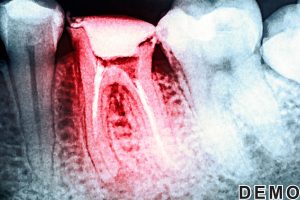
 The loss of teeth begins the loss of bone in your jaw. When the tooth is missing, there is nothing in place to stimulate the jawbone so, it begins to deteriorate.
If you lose too much bone in your jaw, an implant has nothing to attach to so, your dentist may advise that you have bone grafted to your jaw.
Grafting bone to your jaw is a simple procedure that can usually be completed in the dentist’s office and it builds the jawbone up so that it can hold implants.
Doctors at “Endodontist”, treat patients with advanced dental treatments.
Types of bone grafts we have:
* Autograft
* Allograft
* Xenograft
* Alloplast
Grafted bone will stimulate new bone growth. Improved jawbone gives the dentist the ability to implant teeth, restoring your ability to bite and chew and, flash your pearly whites in a big, happy smile.
Benefits of Bone grafting:
- Bone grafts increase the chances of keeping your natural teeth, while decreasing the chances of periodontal disease
- Bone grafts repair injured bone that did not heal
- They reduce pocket depth and repair damage caused by the progression of periodontal disease
Bone for a graft is often taken from within the mouth while preparing for the implant placement. The bone may also be taken from the chin, third molar (wisdom tooth) region, or upper jaw.
For more extensive procedures, the hip or knee may serve as donor sites. Although bone is usually taken from the patient’s own body, alternate sources may be recommended.
Frequently, synthetic materials are utilized in the grafting procedure so that it’s not necessary to perform two operations – one to harvest and a second to graft.
Contact us for more information at (561) 123-1234.